Guides
All guides
Situation guides, decision guides, symptom guides and doctor-prep questions, in plain language for families caring for an aging parent.

 Recognizing and responding to caregiver burnoutA plain-language guide for adult children who are exhausted, resentful, or overwhelmed by a parent's care needs. What burnout looks like, why it happens, and what to do about it.
 How to know when Mom needs help with bathing, dressing, and daily tasksA plain-language caregiver guide for adult children who notice a parent struggling with bathing, dressing, toileting, or other daily living tasks. What to observe, what to write down, and how to start the conversation.
 How to know when Mom should stop drivingA plain-language caregiver guide for adult children who are concerned about an aging parent's driving safety. What to observe, what to say, and how to prepare for the conversation.
 Home safety checklist for aging parentsA plain-language caregiver guide for adult children assessing a parent's home for fall risks, mobility hazards, and daily living challenges. What to look for and what to change first.
 What to set up at home before Dad comes home from the hospitalA plain-language caregiver guide for adult children preparing a parent's home for discharge from a hospital or rehabilitation facility. What to arrange, what to ask, and what to watch for in the first 72 hours.
 What to write down when Dad seems confused about his medicationsA plain-language caregiver guide for adult children who notice a parent mixing up medications, skipping doses, or taking the wrong amount. What to observe, record, and tell the doctor.
 What to do after a parent's medical crisisA plain-language caregiver guide for adult children navigating the weeks after a parent's fall, hospitalization, or significant health event. What to monitor, what to arrange, and how to prevent the next crisis.
 How to coordinate with siblings about a parent's careA plain-language caregiver guide for adult children navigating disagreements, unequal responsibilities, and difficult conversations with siblings about an aging parent's needs.
 How to know if Mom needs to go to the emergency roomA plain-language caregiver guide for adult children facing a potential medical emergency with an aging parent. What symptoms require 911, what can wait for the doctor's office, and what to do right now.
 Should I call the doctor today or wait and watch?A plain-language guide to help caregivers decide when a change in an aging parent warrants a same-day call versus a scheduled appointment versus watchful waiting.
 Is this a fall risk or normal aging?A plain-language guide to help caregivers distinguish between normal age-related gait changes and genuine fall-risk signals that warrant medical evaluation.
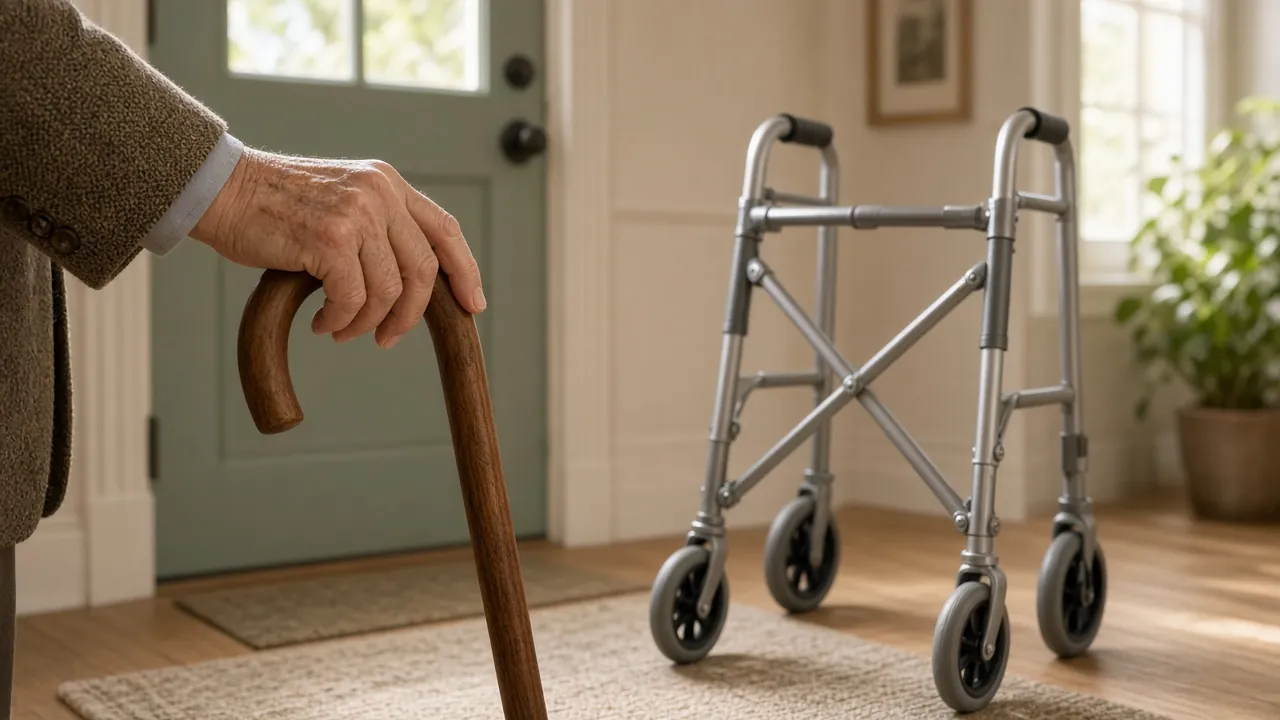 Walker vs. cane — which does Dad actually need?A plain-language comparison to help caregivers understand the difference between a walker and a cane, which situations call for each, and how to bring the question to the doctor.
 When does shuffling become an emergency?A plain-language guide to help caregivers recognize when a shuffling gait in an older adult has crossed from a medical concern into an urgent or emergency situation.
 Bathroom UrgencyWhy rushing to the bathroom is one of the highest fall-risk moments for older adults, what urgency looks like at home, and what to tell the doctor.
 Difficulty Getting Up from a ChairWhat difficulty rising from a chair signals about leg strength, joint health, and fall risk in older adults — and what to observe and report to the doctor.
 Confusion and DisorientationWhat confusion and disorientation at home signal about cognitive health, which patterns require urgent evaluation, and how to describe what you observe to the doctor.
 Holding the Counter to Stand UpWhat it means when an older adult grips the counter or chair arm to stand, why it signals lower-limb weakness, and what to write down before calling the doctor.
 Preparing for a doctor appointment about a parent's symptomsWhat to observe, write down, and bring to a doctor appointment when you have noticed a change in an aging parent's movement, behavior, or daily habits.
 Falls and Near-FallsWhat falls and near-falls signal about balance and safety at home, how to recognize the warning patterns before a serious injury occurs, and what to tell the doctor after a fall.
 Falling Asleep Mid-Sentence or Mid-ActivityWhat it looks like when an older adult falls asleep mid-sentence or mid-activity, why it differs from normal tiredness, and what to write down before calling the doctor.
 Foot Dragging While WalkingWhat foot dragging looks like at home, why one foot catching or dragging is a neurological signal, and what to write down before calling the doctor.
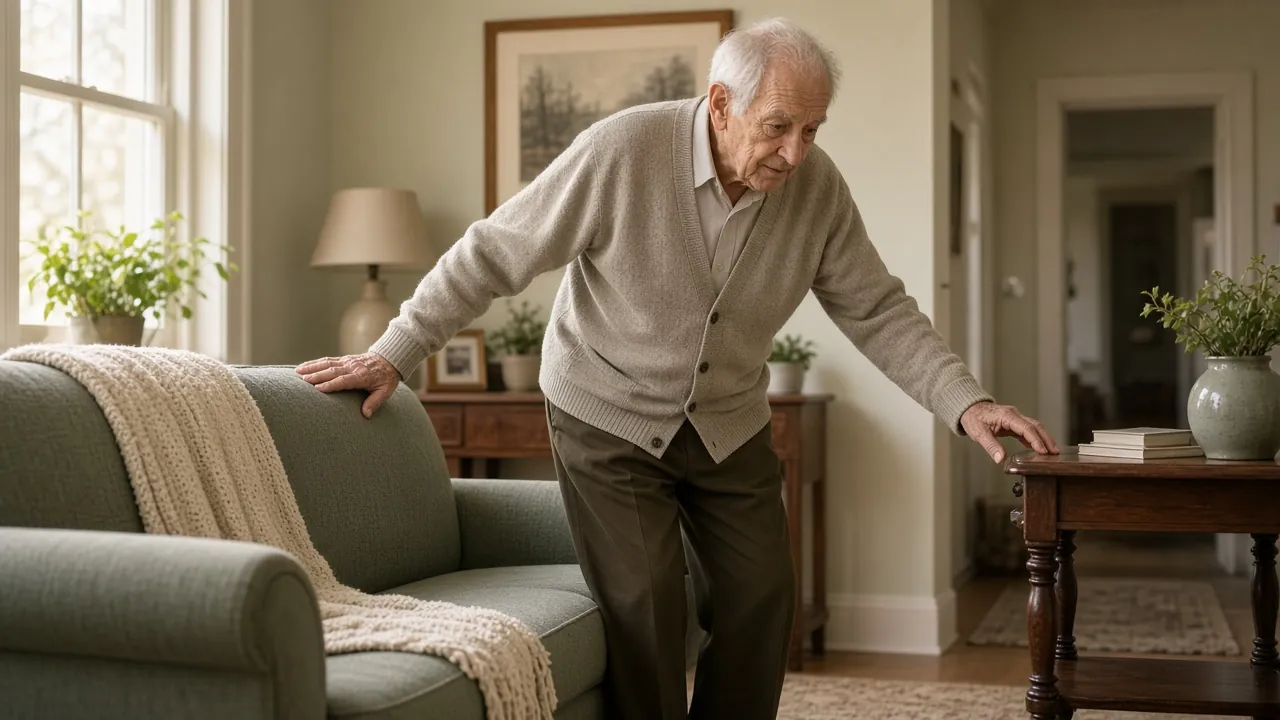 Furniture SurfingWhat furniture surfing looks like at home, why holding walls and furniture is a fall-risk signal, and what to write down before calling the doctor.
 Shuffling Only at NightWhat nighttime shuffling looks like, why an older adult shuffles only at night but walks normally during the day, and what to write down before calling the doctor.
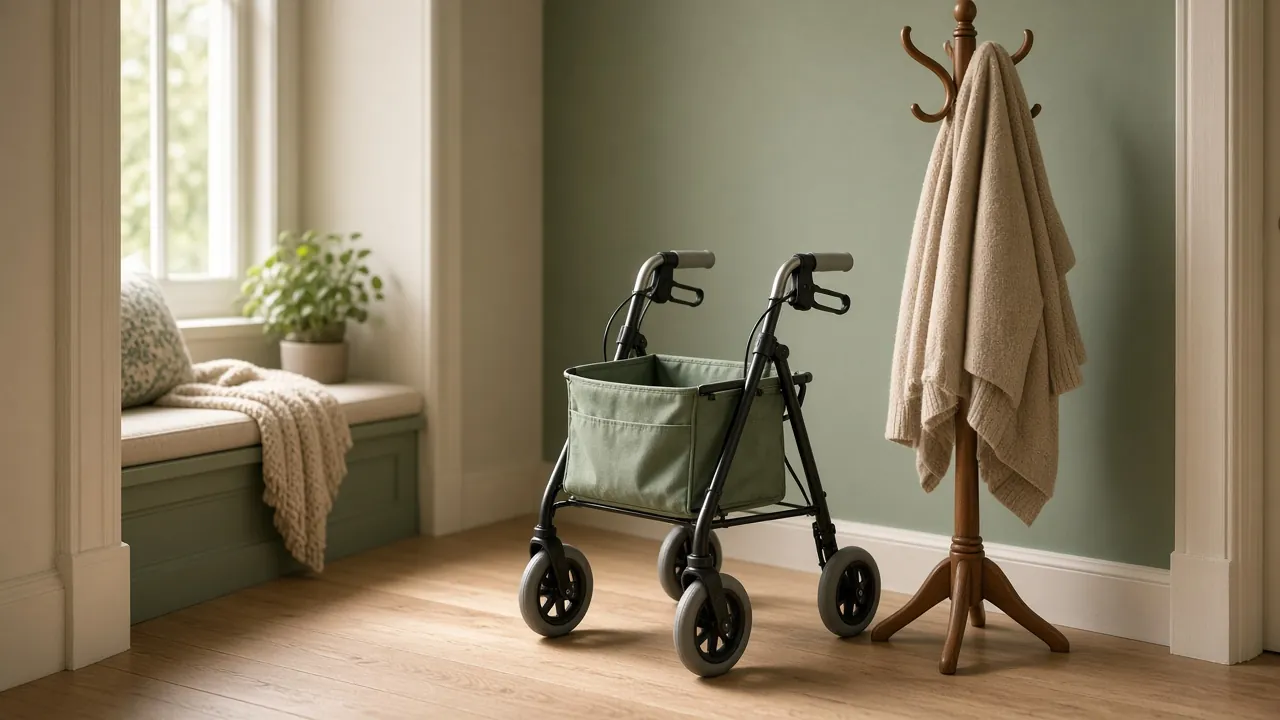 Refusing to Use a Walker or CaneWhat it looks like when an older adult refuses to use a walker or cane, why refusal is common and what it signals, and how to approach the conversation with the doctor.
 Repeating the Same Story or QuestionWhat it looks like when an older adult repeats the same story or question, why it differs from normal forgetfulness, and what to write down before calling the doctor.
 Shuffling FeetWhat shuffling gait looks like at home, why it is a fall-risk signal, and what to write down before calling the doctor.
 Sleeping All Day — Sleep ChangesWhat excessive daytime sleeping looks like in an aging parent, why it is a medical signal rather than normal aging, and what to write down before calling the doctor.
 Stopping Eating or Losing Interest in FoodWhat it looks like when an older adult stops eating or loses interest in food, why it is a serious medical signal, and what to write down before calling the doctor.
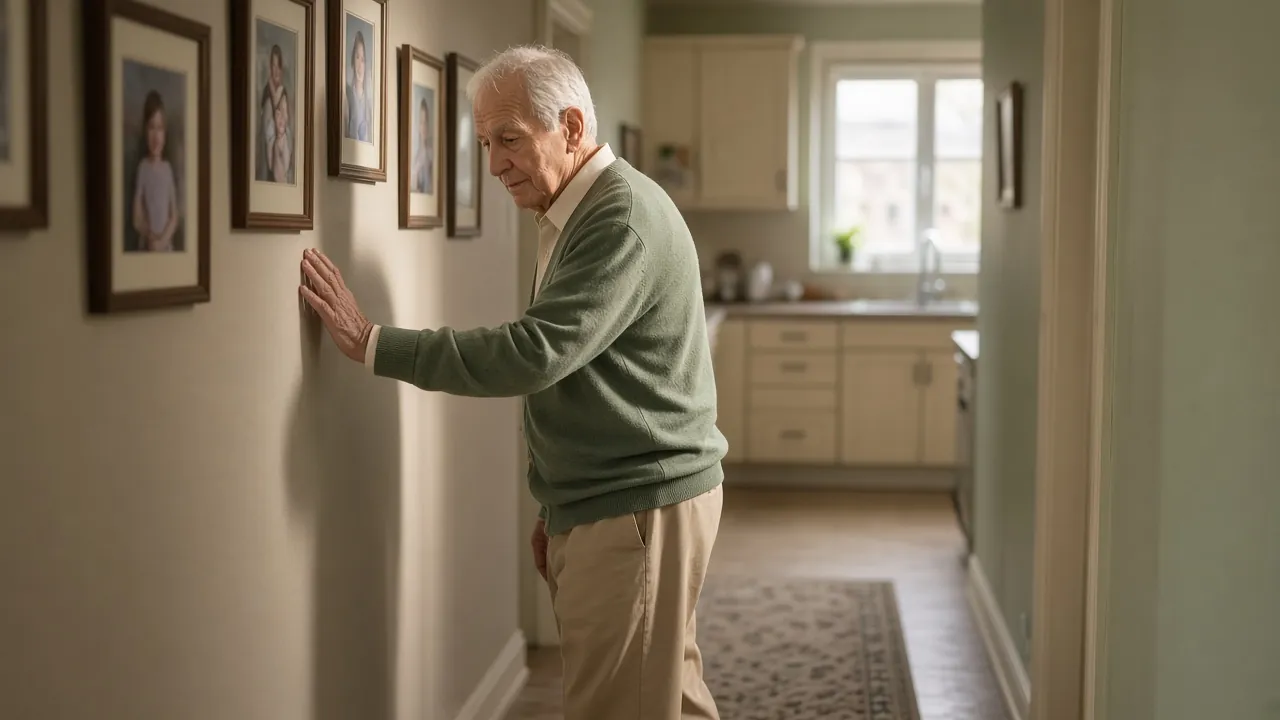 Wall-Holding While WalkingWhat it looks like when an older adult holds the wall while walking, why it signals a balance problem, and what to write down before calling the doctor.
 Unexplained Weight LossWhat unexplained weight loss looks like in an aging parent, why it is a serious medical signal, and what to write down before calling the doctor.
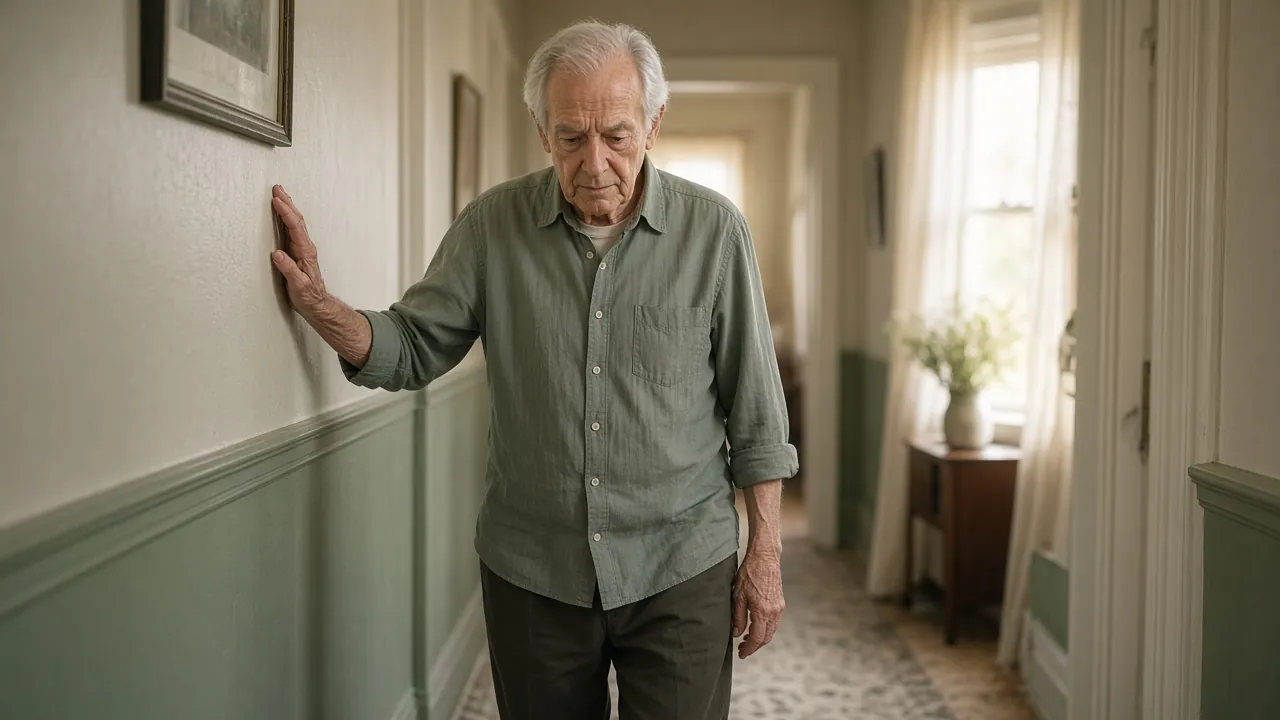 What does it mean when Dad holds the wall to walk?When an older adult touches walls or furniture to steady themselves while walking, it is called furniture surfing. This caregiver guide explains what to observe and write down before calling the doctor.
 What Does It Mean When Dad Seems Confused at Home?A caregiver observation checklist for reporting confusion, disorientation, or memory lapses to a doctor: what to watch for, what to write down, and when to call 911 — so the physician gets real home observations, not just worry.
 What Does It Mean When Mom Stops Eating?A caregiver observation checklist for reduced appetite and food refusal in older adults: what to track, what to tell the doctor, and which patterns — including sudden food refusal, weight loss, and swallowing difficulty — signal conditions requiring prompt evaluation.
 What Should I Tell the Doctor After Dad Fell at Home?A plain-language caregiver checklist for reporting a fall to a doctor: what happened, where, what time, what surface, what injuries, and what led up to it — so the physician gets real data, not just worry.
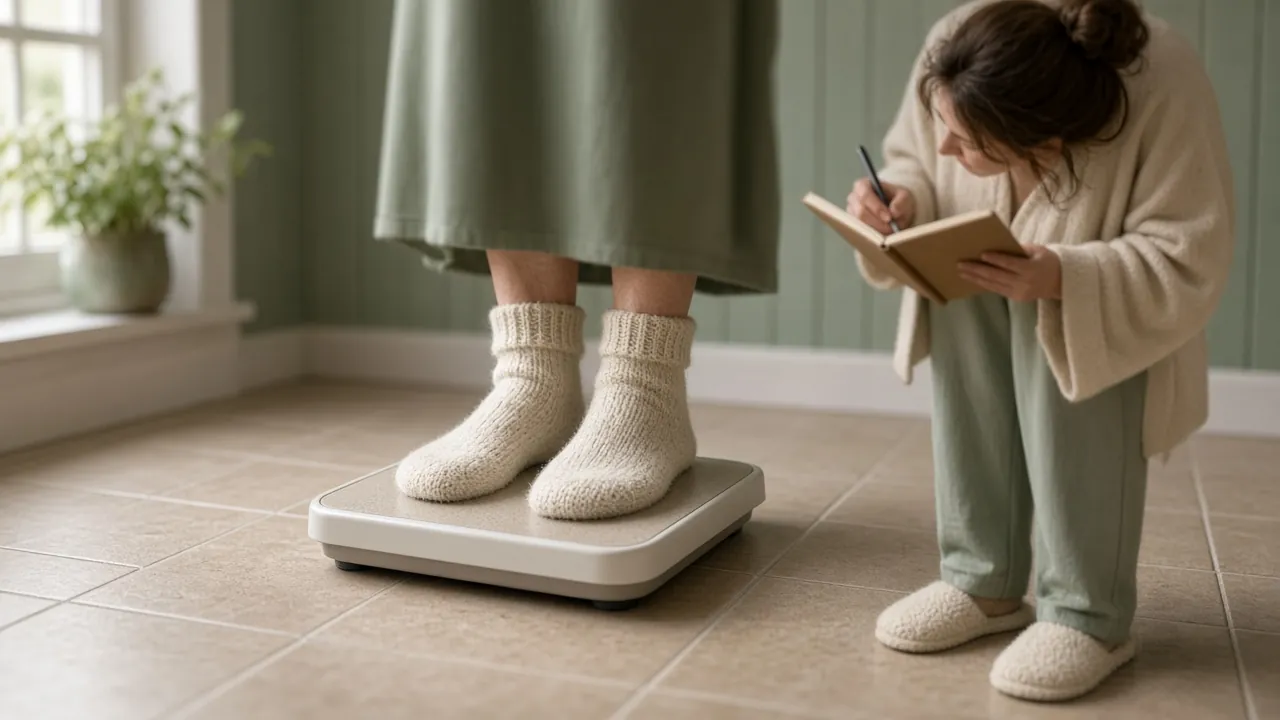 What Should I Write Down If Mom Is Losing Weight?A caregiver observation checklist for unexplained weight loss: what to track, what to tell the doctor, and which changes signal the need for an urgent call — so the physician gets specific home observations, not a vague concern.
 Why does Dad drag his foot when he walks?When an older adult drags or scuffs one foot while walking, it can signal nerve damage, muscle weakness, or a neurological change. This caregiver guide explains what to observe and write down before calling the doctor.
 Why Does Dad Fall Asleep Mid-Sentence?A caregiver observation checklist for sudden sleep episodes in older adults: what to track, what to tell the doctor, and which patterns — including mid-conversation sleep onset — may signal narcolepsy, medication effects, or a cardiovascular event requiring prompt evaluation.
 Why does Dad hold the wall when he walks?When an older adult grips walls or countertops while walking, it signals a balance system under stress. This caregiver guide explains what to observe and write down before calling the doctor.
 Why Does Dad Keep Repeating Himself?A caregiver observation checklist for repetitive speech and memory loops in older adults — what to observe, what to write down, and what to tell the doctor so the appointment produces answers.
 Why Does Dad Rush to the Bathroom and Almost Fall?A 6-point caregiver observation log, urgency triggers to track, red flags, and a sample doctor note for bathroom rush-and-fall risk — so the physician gets real data before the next appointment.
 Why Does Dad Shuffle His Feet at Night?A plain-language caregiver guide to understanding why nighttime shuffling worsens — fatigue, reduced lighting, medication timing, and sundowning — and what to observe before calling the doctor.
 Why Is Dad Sleeping All Day?A caregiver observation checklist for excessive daytime sleep in older adults: what to track, what to tell the doctor, and which patterns signal a need for prompt evaluation — so the physician gets specific home observations, not just 'he sleeps a lot.'
 Why does Mom hold the counter when she stands up?When an older adult grips the counter or a surface right after standing, it often signals orthostatic hypotension or leg weakness. This caregiver guide explains what to observe and write down before calling the doctor.
 Why Does Mom Refuse to Use Her Walker?A caregiver guide to understanding why older adults resist mobility aids — the real reasons behind refusal, what to observe, and how to have a productive conversation with the doctor about it.
 Why Does Mom Struggle to Get Up from a Chair?A caregiver observation checklist for chair-rise difficulty: what to watch for, what to write down, and what to tell the doctor — so the physician gets specific home observations, not just a general complaint.
 What Should I Write Down Before Calling Mom's Doctor About Shuffling Feet?A plain-language caregiver checklist for recording what you observe at home before calling or messaging your parent's doctor about shuffling, dragging feet, or balance changes.
No matches. Try another word or .