What unintentional weight loss looks like at home
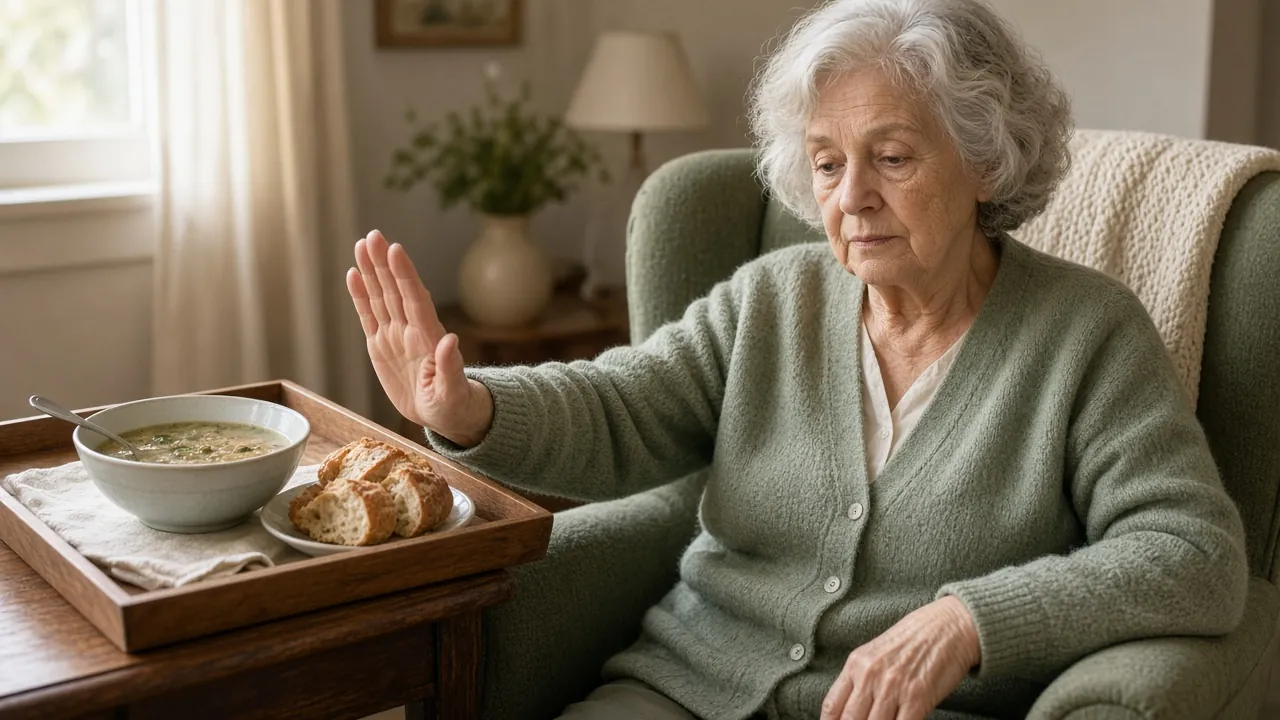
Unintentional weight loss in older adults often goes unnoticed for months. It does not announce itself. Instead, you notice that her clothes fit differently. The portions she finishes at dinner are smaller than they used to be. She skips breakfast more often. She says she is not hungry when she would normally be. The refrigerator has more leftovers than it used to.
By the time a caregiver thinks to mention it to a doctor, the loss has often been happening for two or three months. That timeline — when it started, how quickly it progressed, and what else changed around the same time — is exactly what the doctor needs to narrow down the cause.
Unexplained weight loss in older adults has a wide range of causes — from medication side effects and depression to gastrointestinal conditions and cancer. The number on the scale is only the starting point. What the doctor needs is context: how quickly it happened, what her appetite is like, whether she has digestive symptoms, and what else has changed in her life.
The checklist below takes about ten minutes to complete and gives the doctor the specific observations needed to order the right tests — rather than starting from scratch during a rushed appointment.
The Checklist
Six things to observe and write down before calling the doctor
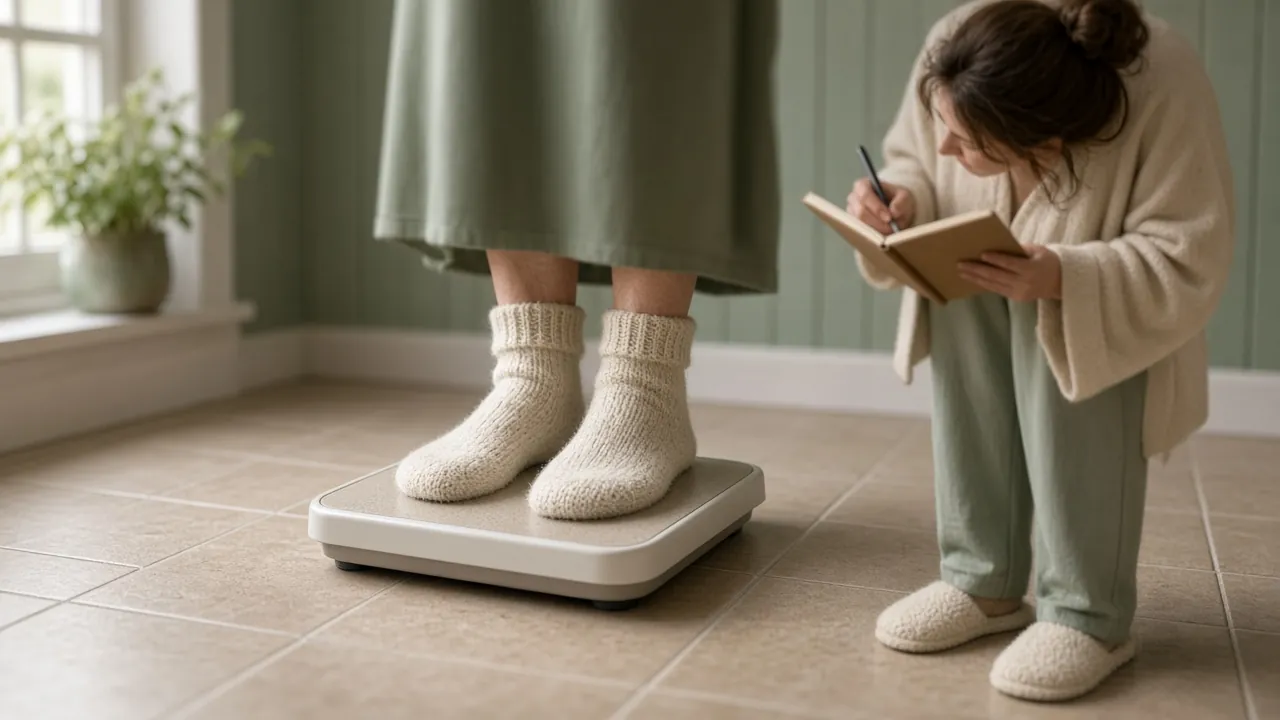
- Approximate weight change and timeframe (or clothing/appearance changes if no scale)
- Two-day food log: what she ate, how much, and appetite comments
- Any digestive symptoms (nausea, pain, bowel changes, difficulty swallowing)
- Energy level and mood changes (fatigue, withdrawal, loss of interest)
- Complete current medication and supplement list with dosages
- Recent life changes or stressors (loss, move, isolation)
Common questions
How much weight loss in an older adult is a concern?
A loss of 5% or more of body weight over 6 to 12 months without intentional dieting is considered clinically significant in older adults and warrants medical evaluation. For a 130-pound person, that is approximately 6.5 pounds. Even smaller losses over a shorter period — particularly if accompanied by fatigue, appetite loss, or other symptoms — should be reported to a doctor promptly.
What are the most common causes of unexplained weight loss in older adults?
The most common causes include depression, cancer, cardiac or pulmonary disease, gastrointestinal disorders, and medication side effects. Dental problems, difficulty swallowing, and social isolation (leading to reduced food intake) are also frequent contributors. A doctor needs a full picture — weight trend, appetite changes, digestive symptoms, energy levels, and medication list — to determine the appropriate workup.
Should I call the doctor right away or wait to see if it continues?
Call the doctor if the weight loss is noticeable and has occurred over less than a month, if it is accompanied by fatigue, pain, or digestive symptoms, or if she has stopped eating more than one meal a day. Do not wait for a second month of loss to confirm a trend. Early evaluation leads to better outcomes for most causes of unintentional weight loss.
Can loneliness or grief cause weight loss?
Yes. Social isolation, grief, and depression are among the leading causes of unintentional weight loss in older adults. Reduced appetite, loss of motivation to cook, and diminished enjoyment of food are all documented effects of depression and bereavement. This is medically treatable — mentioning it to the doctor is not oversharing, it is providing clinically relevant context.
What if Mom says she is eating fine but I can see she is losing weight?
This discrepancy is common and clinically important. Older adults often underestimate how little they are eating, particularly if appetite has declined gradually. They may eat a few bites of a meal and describe it as eating fine. A two-day food log — writing down everything consumed, including portion sizes — is more reliable than self-report. If you cannot do a food log, note clothing fit changes, whether leftovers are consistently larger than before, or whether she is finishing less of a typical meal. Bring this observation to the doctor directly.