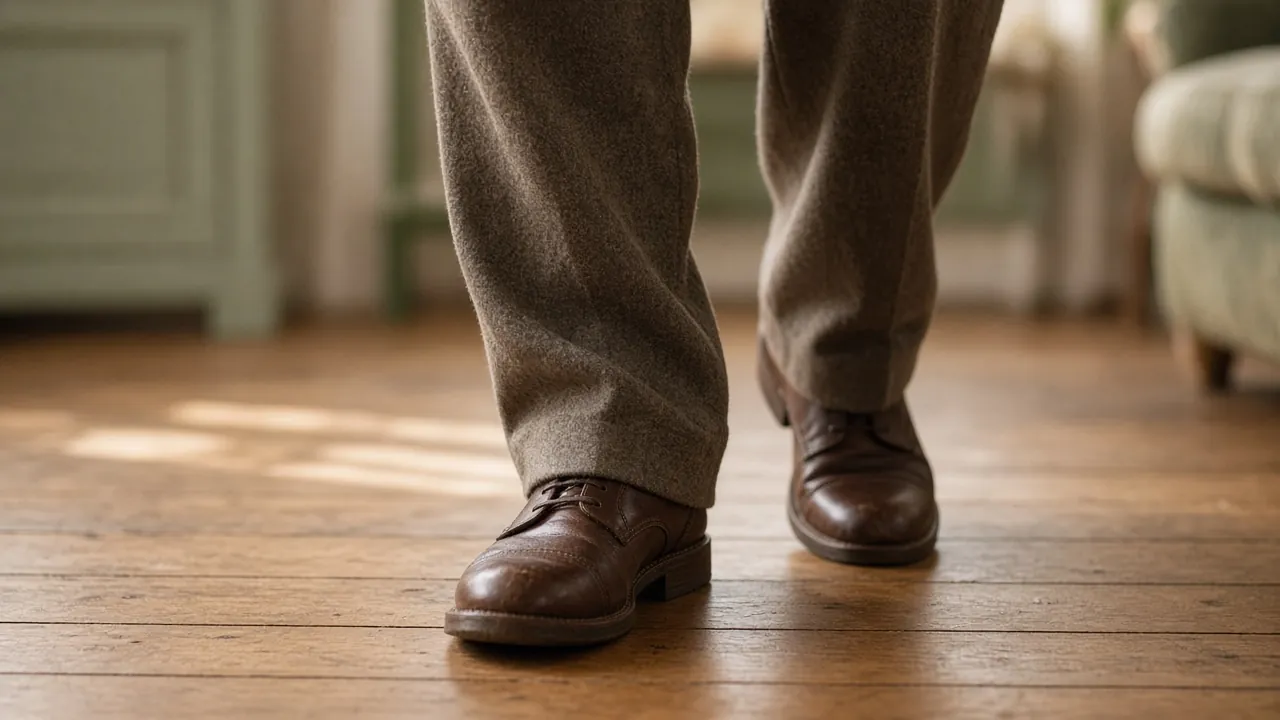
What furniture surfing looks like
Furniture surfing is the pattern of steadying oneself by touching or gripping walls, countertops, chair backs, and furniture while moving through the home. It is the body's way of compensating for a balance system that is no longer providing reliable feedback.
You may notice your parent trailing a hand along the wall in a hallway, gripping the counter while moving through the kitchen, or pausing to hold a chair back before continuing across a room. These are not random habits — they are compensatory strategies that indicate the balance system is under stress.
Furniture surfing often precedes falls. The person has not yet fallen, but the balance deficit that will eventually cause a fall is already present and visible.
Why it matters
The balance system relies on three inputs: the vestibular system (inner ear), vision, and proprioception (the body's sense of its own position). When one or more of these inputs degrades — through inner ear changes, vision loss, neuropathy, or neurological conditions — the brain compensates by seeking external reference points. Furniture and walls become those reference points.
This compensation works until it doesn't — until your parent reaches a doorway with nothing to hold, or moves faster than the compensation allows, or encounters an unexpected surface change. The fall happens at the moment the compensation fails.
What to watch for
- Trailing a hand along walls while walking through hallways
- Gripping countertops or chair backs before moving across open space
- Pausing at doorways or room transitions before continuing
- Wider stance than usual while standing or walking
- Slower walking speed, especially in unfamiliar spaces
- Reluctance to walk in low light or on uneven surfaces
Doctor Prep Guide
What does it mean when Dad holds the wall to walk?
A step-by-step guide to what furniture surfing signals and how to prepare for the doctor conversation.
Read the guide →