Transformation, Documented in Place
A photographic and narrative record of significant residential spatial transformations across distinct geographic contexts — each project examined for its material intelligence, spatial logic, and long-term environmental performance.
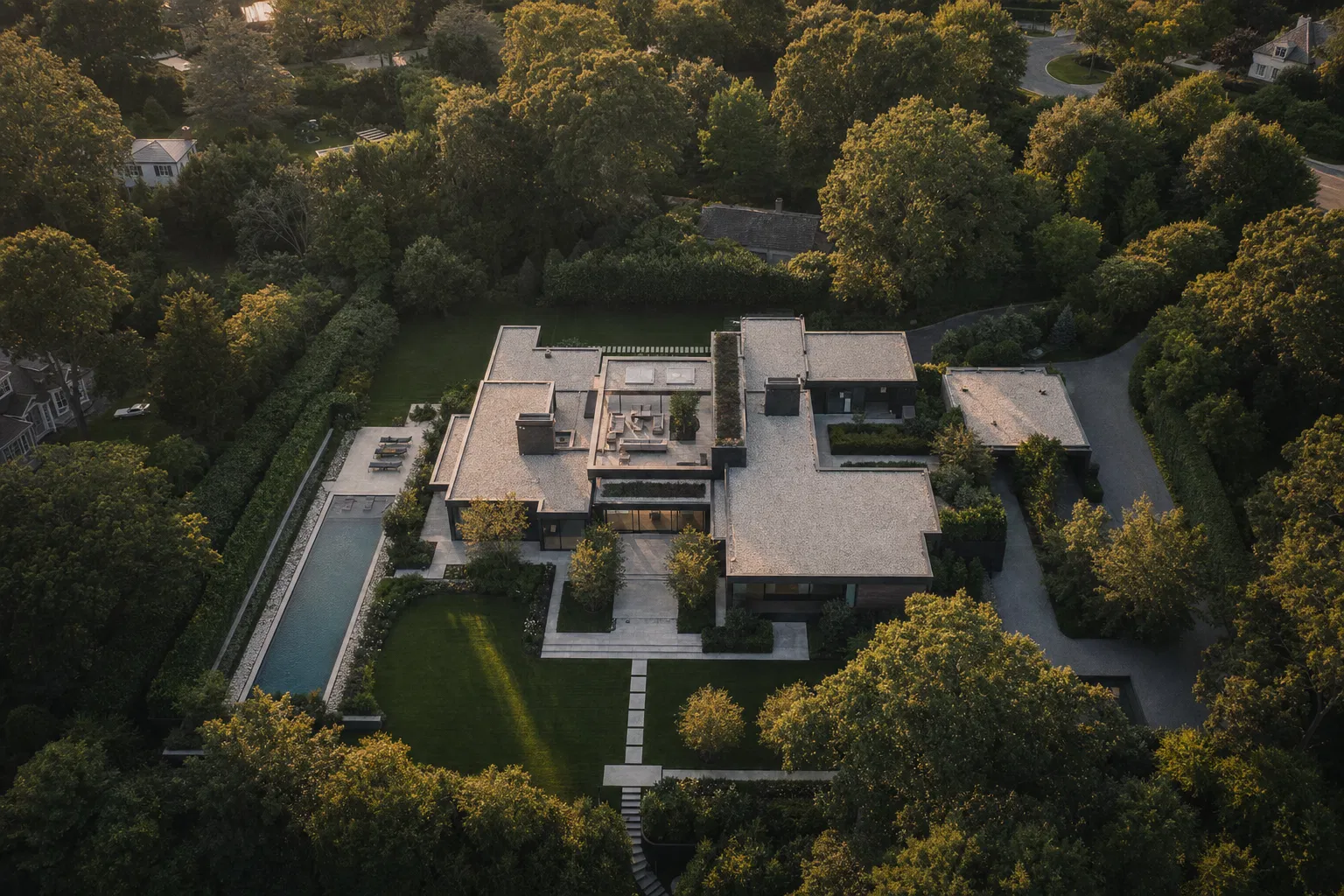
4 Essays
Pacific Northwest: A Study in Material Restraint
The commission arrived as a request for a modest renovation. What emerged, over eighteen months of careful material selection and spatial reconfiguration, was a residence that had shed its previous identity entirely — retaining only its structural bones and its relationship to the surrounding Douglas fir canopy.
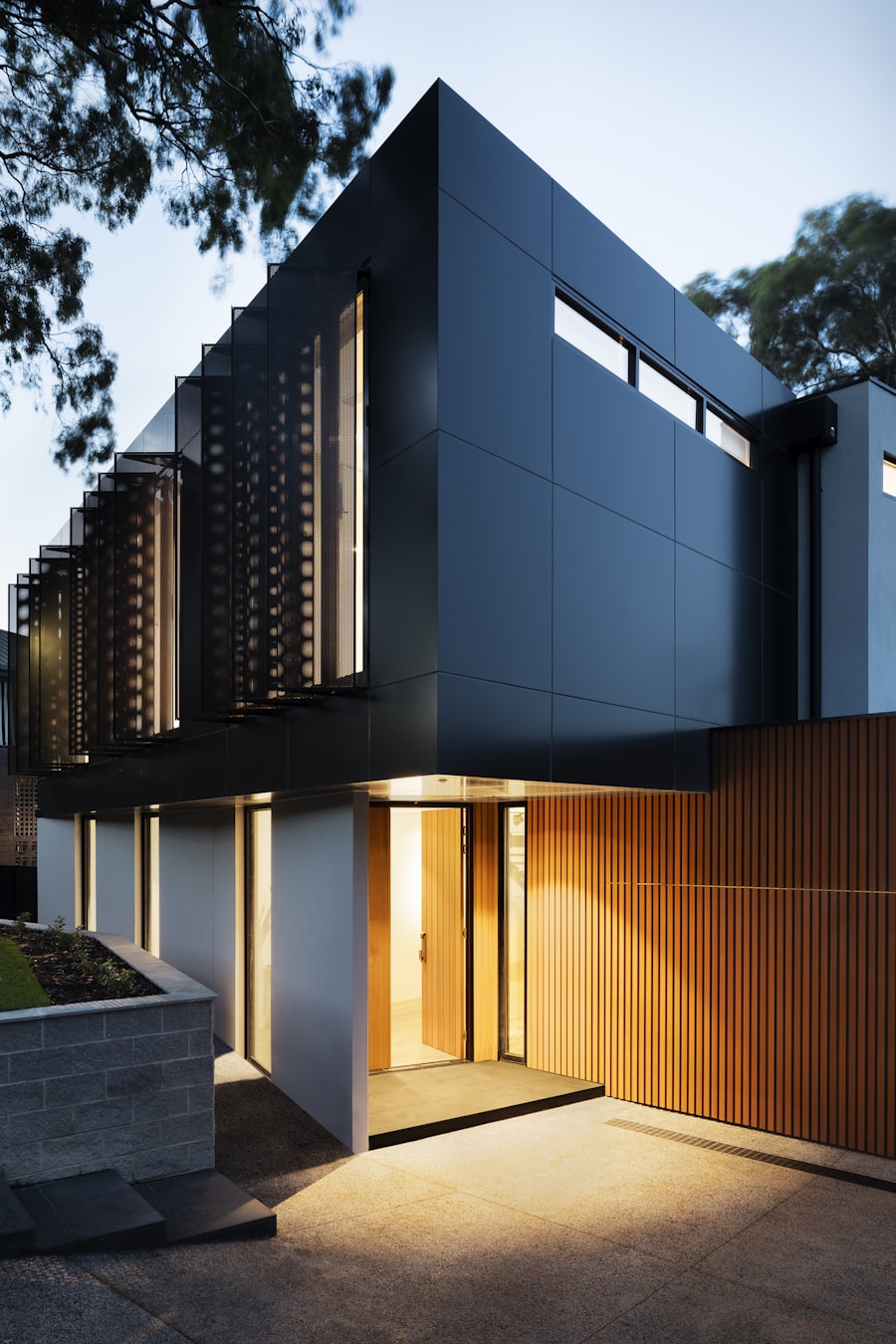
Coastal Carolina: The Resilient Residence
The coastal residential environment presents a specific and demanding set of material performance requirements. Salt air, humidity cycling, and the constant pressure of solar exposure demand a material intelligence that goes well beyond aesthetic preference.
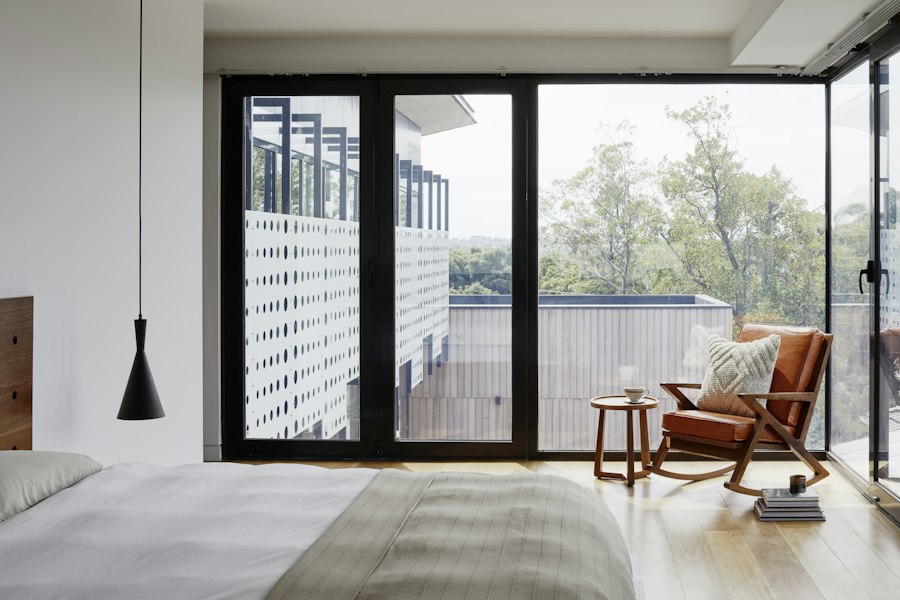
High Desert, Arizona: Thermal Mass and Light
In the high desert, the architecture must negotiate an extreme diurnal temperature range — sometimes exceeding forty degrees Celsius between the heat of the afternoon and the chill of the pre-dawn hours. The most intelligent responses to this condition are also the oldest.
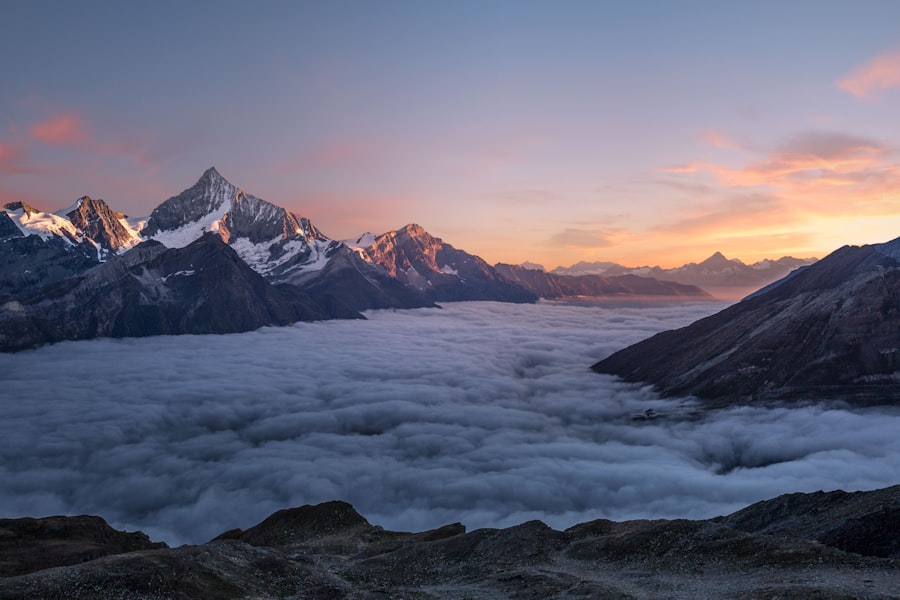
Great Lakes Region: The Four-Season Residence
The Great Lakes residential environment demands a material and spatial intelligence that few other climates require. Ice, humidity, freeze-thaw cycling, and the psychological weight of prolonged winter combine to test every material decision and every spatial sequence in ways that a temperate climate never will.